In Conversation With: Artists of Ampilatwatja
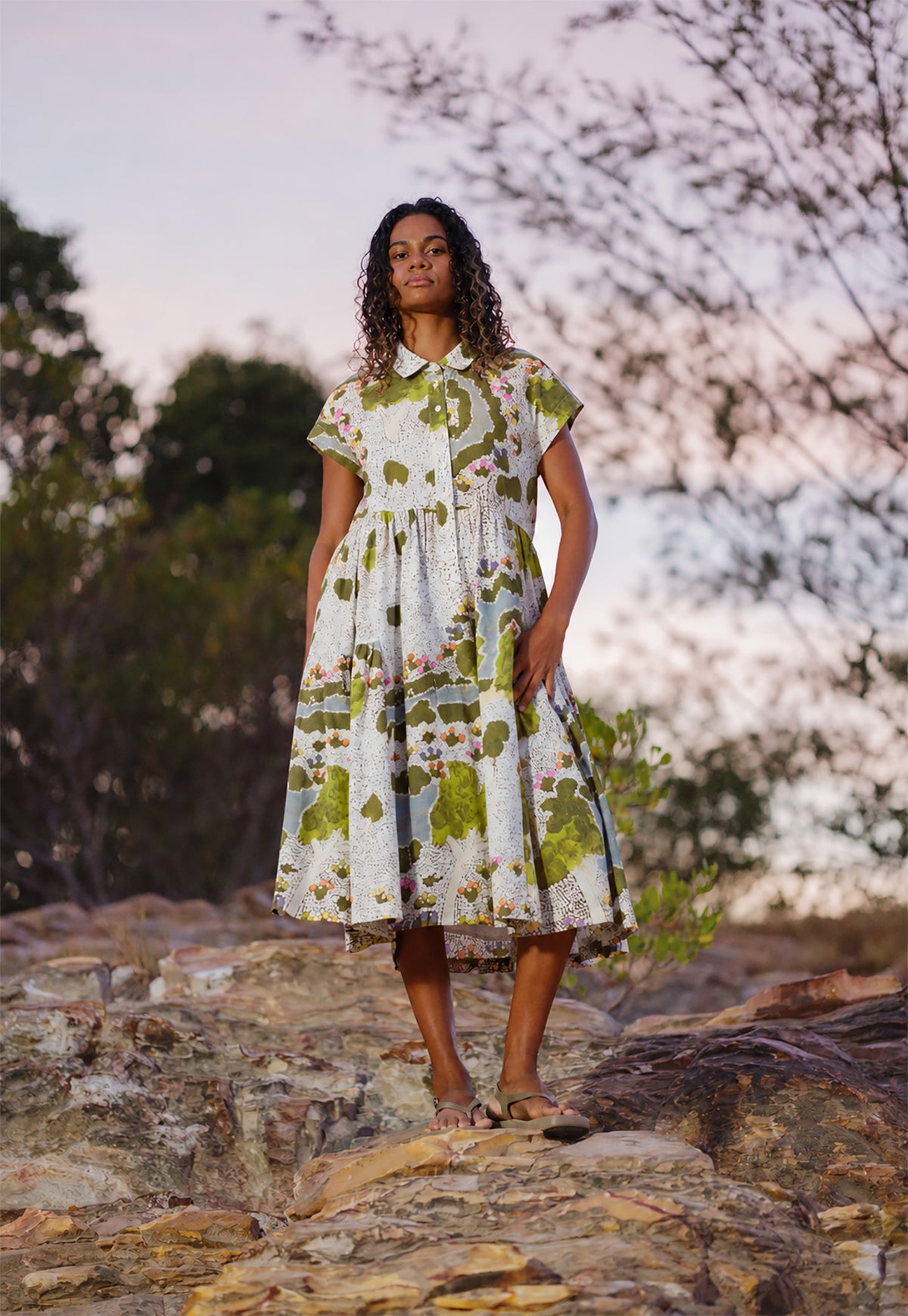
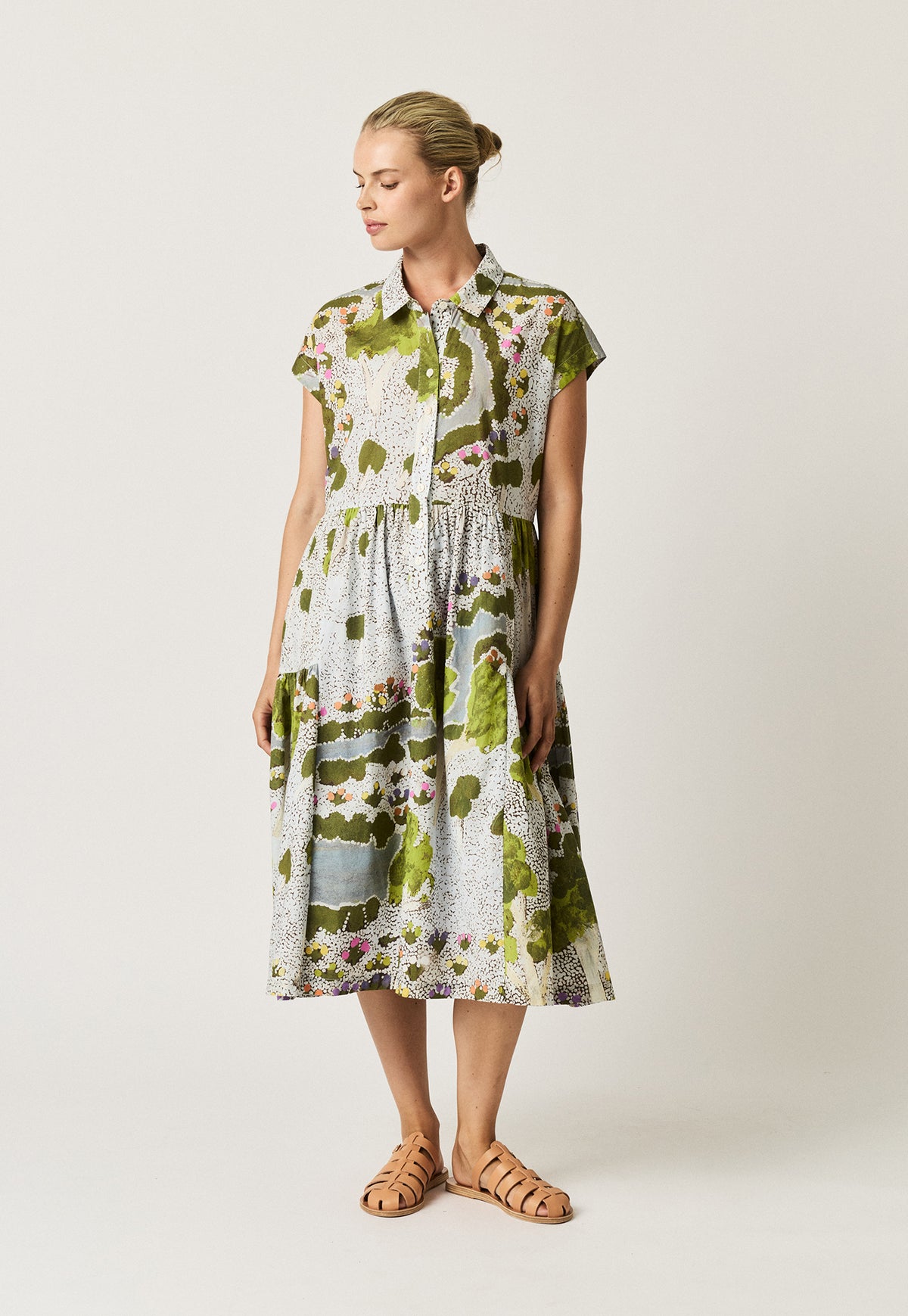
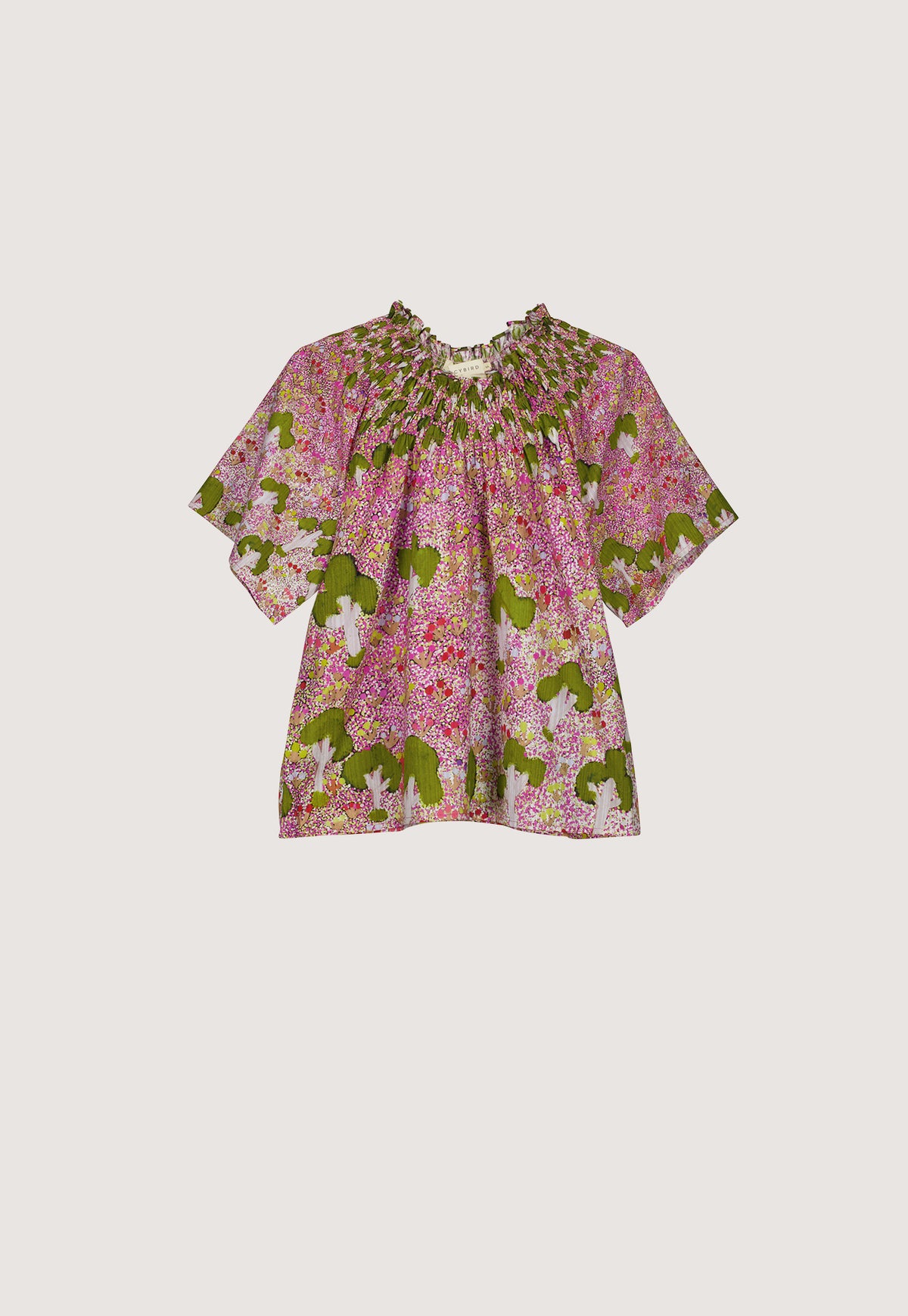
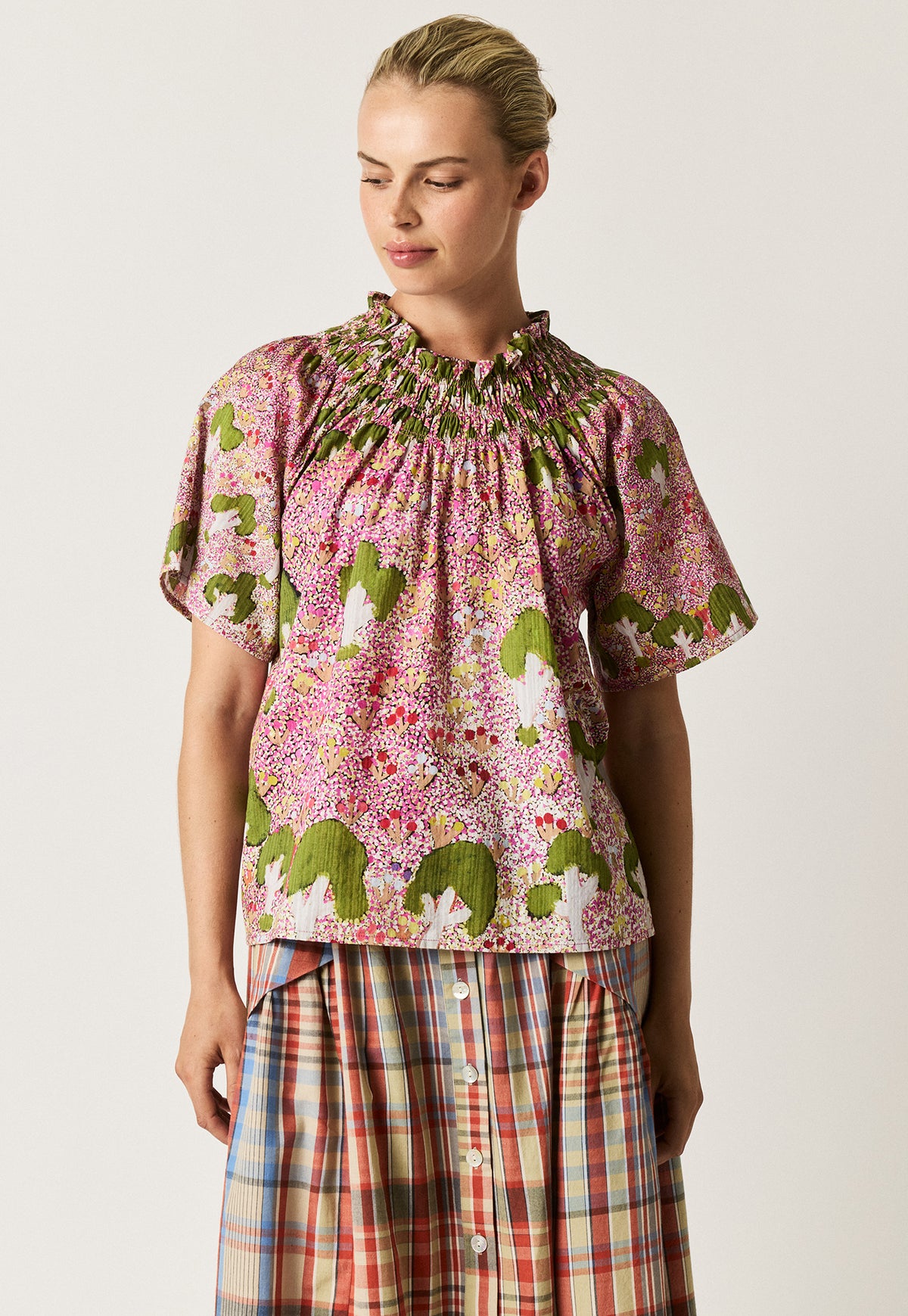
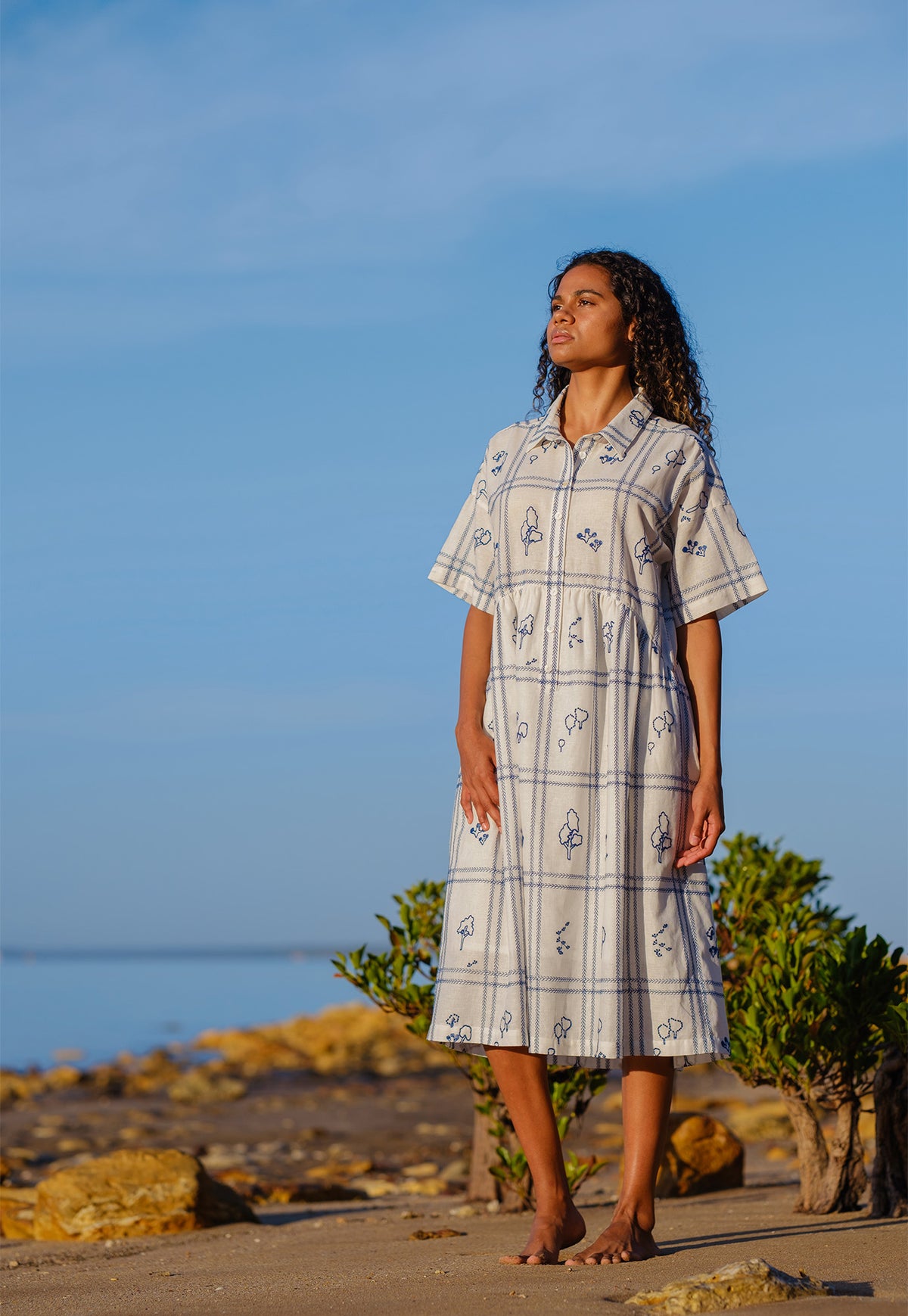
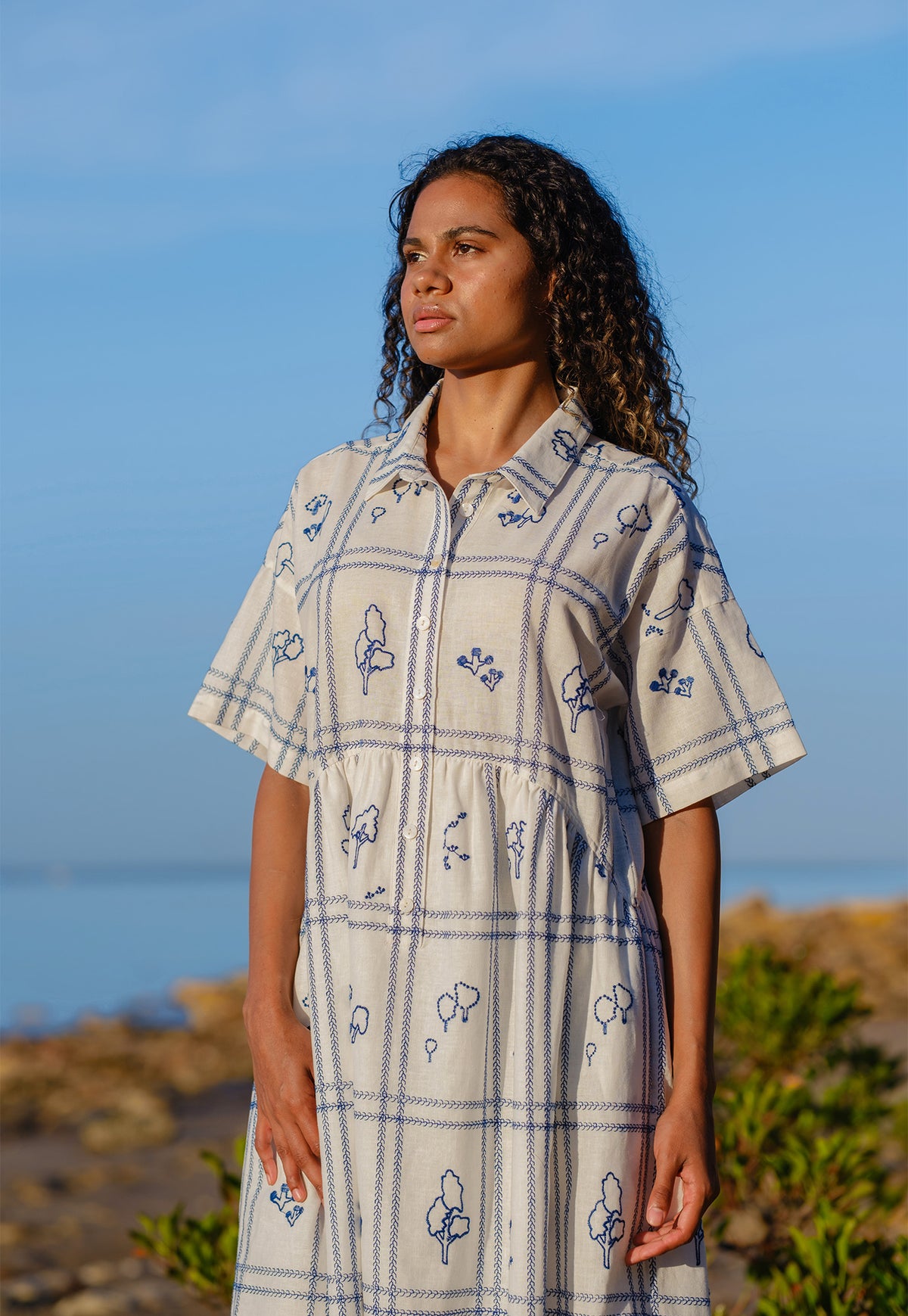
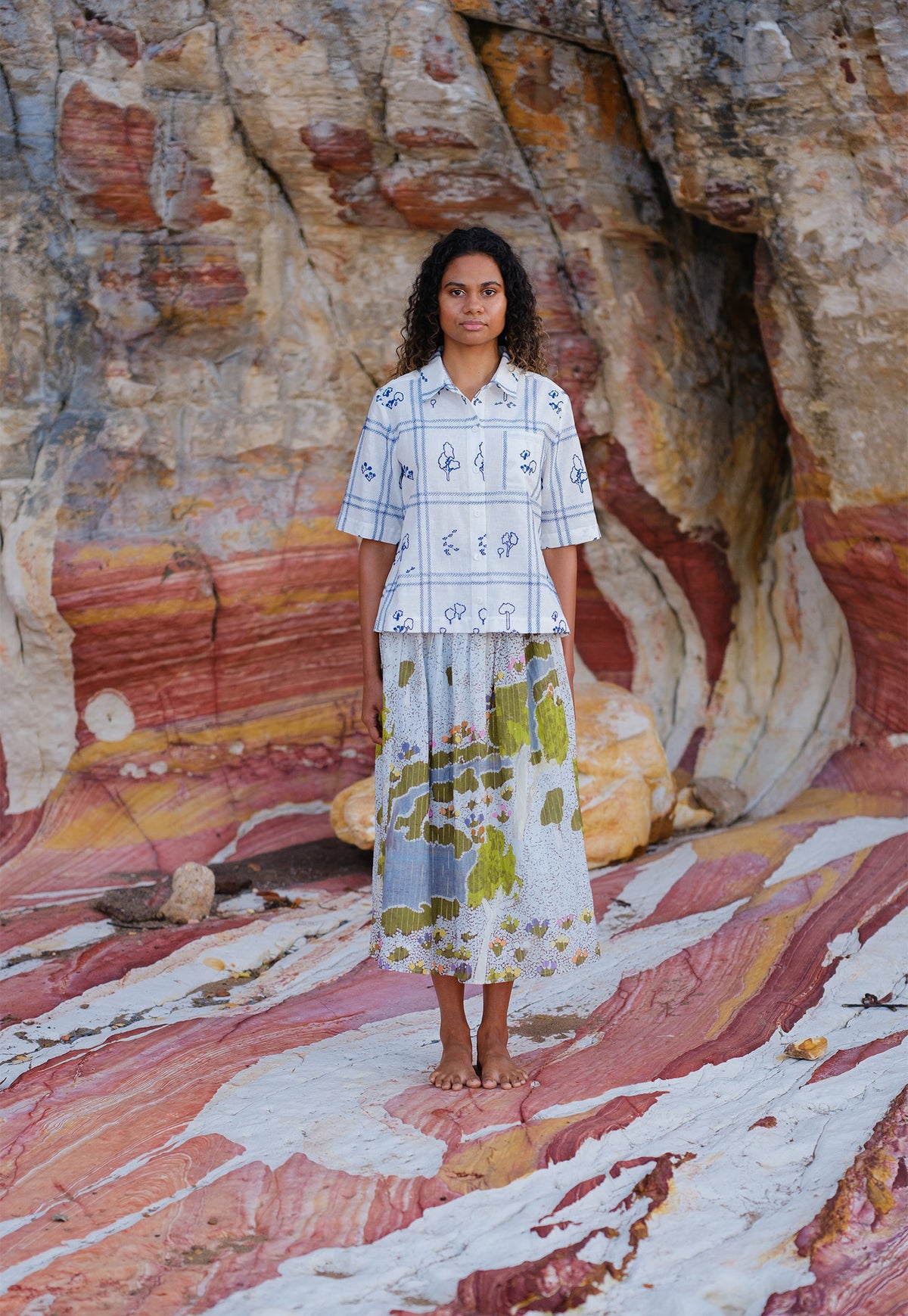
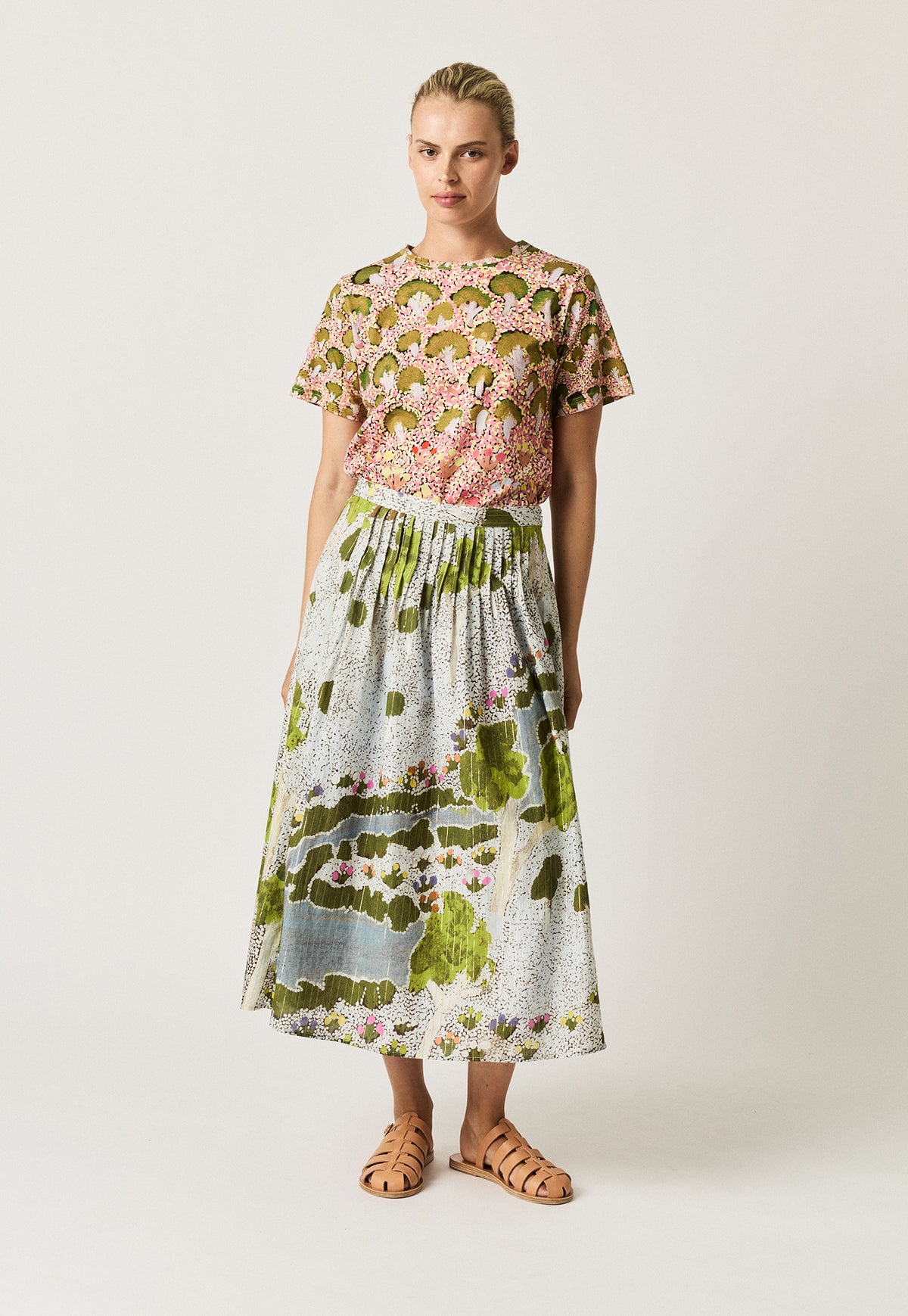
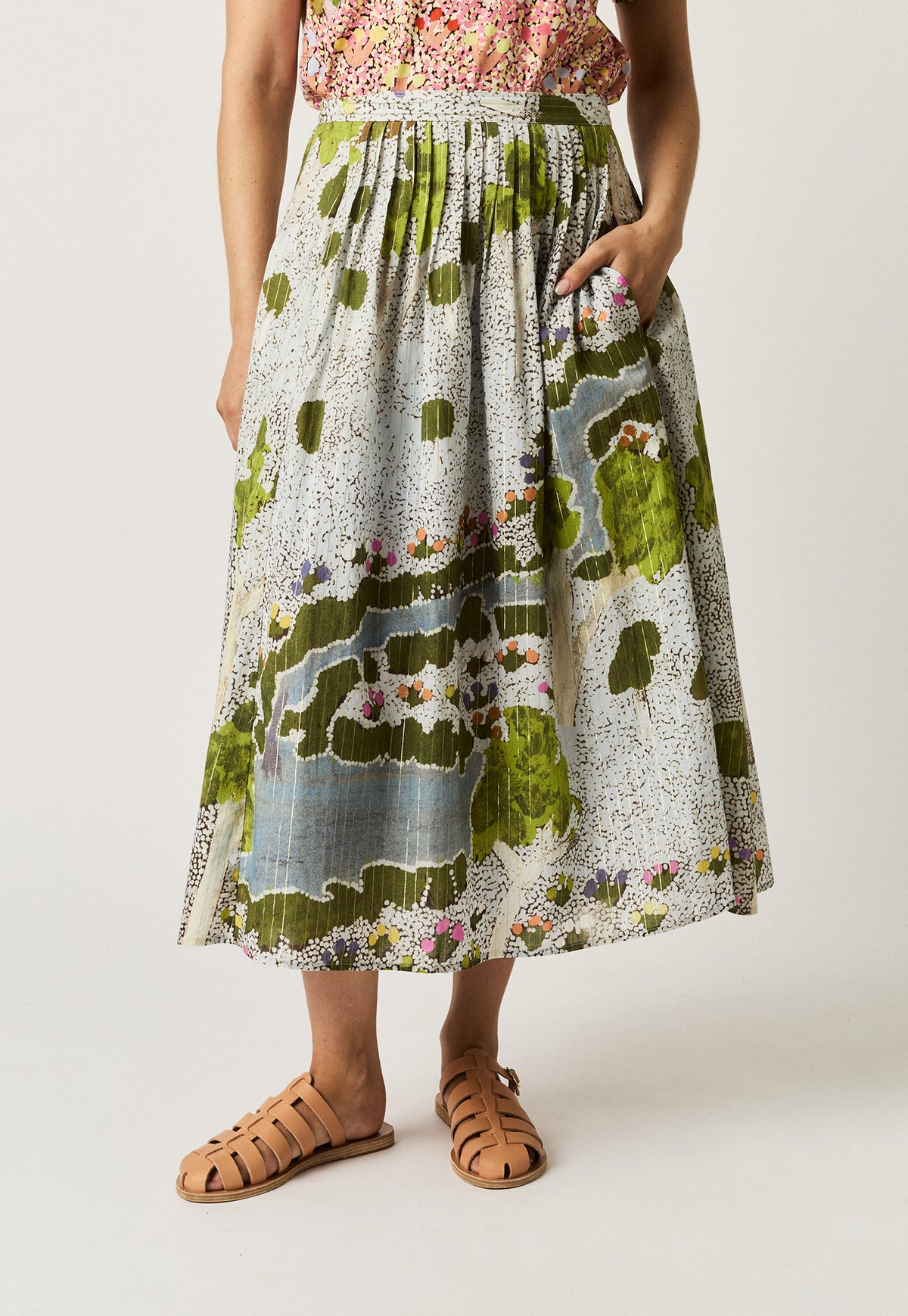
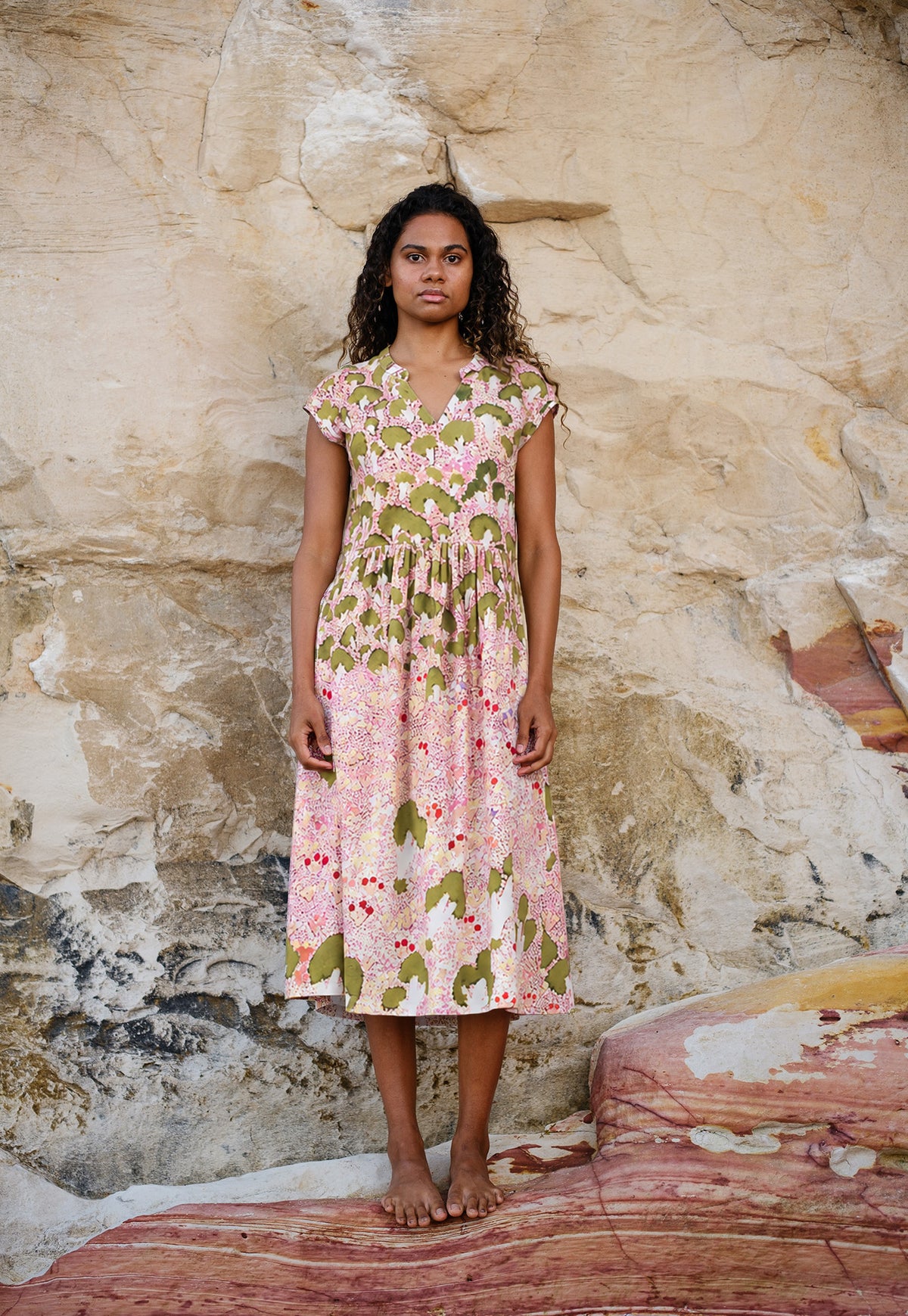
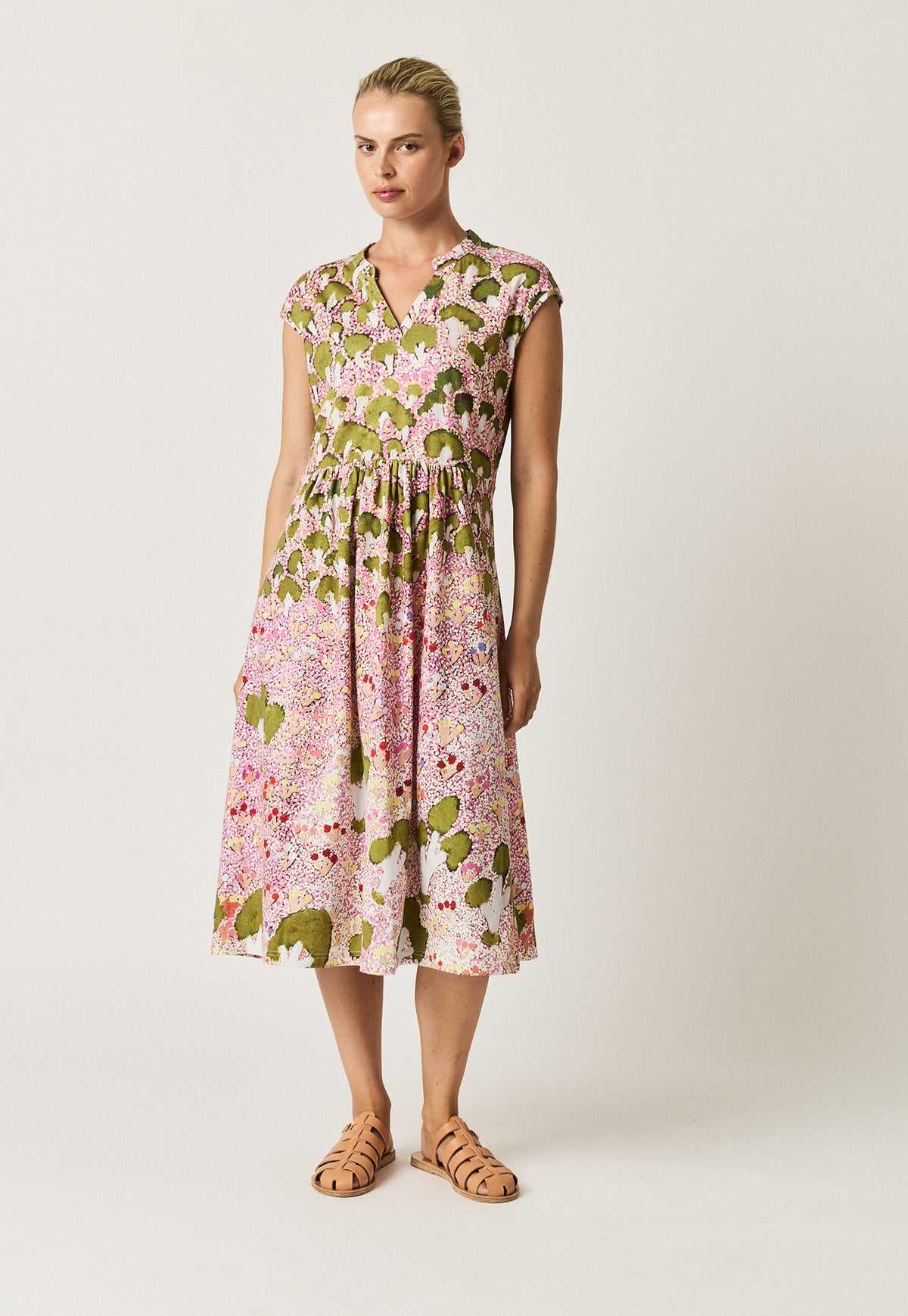
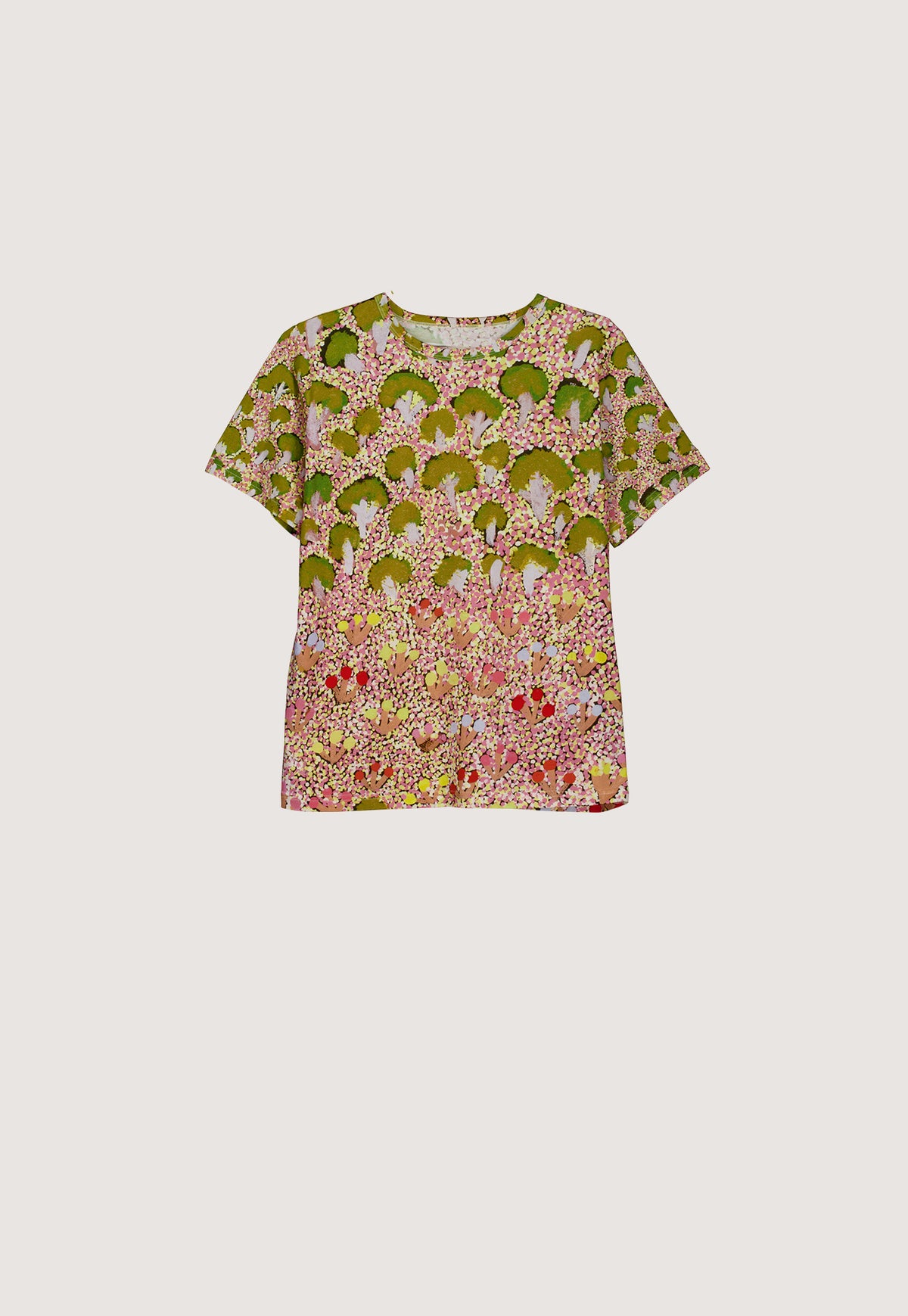
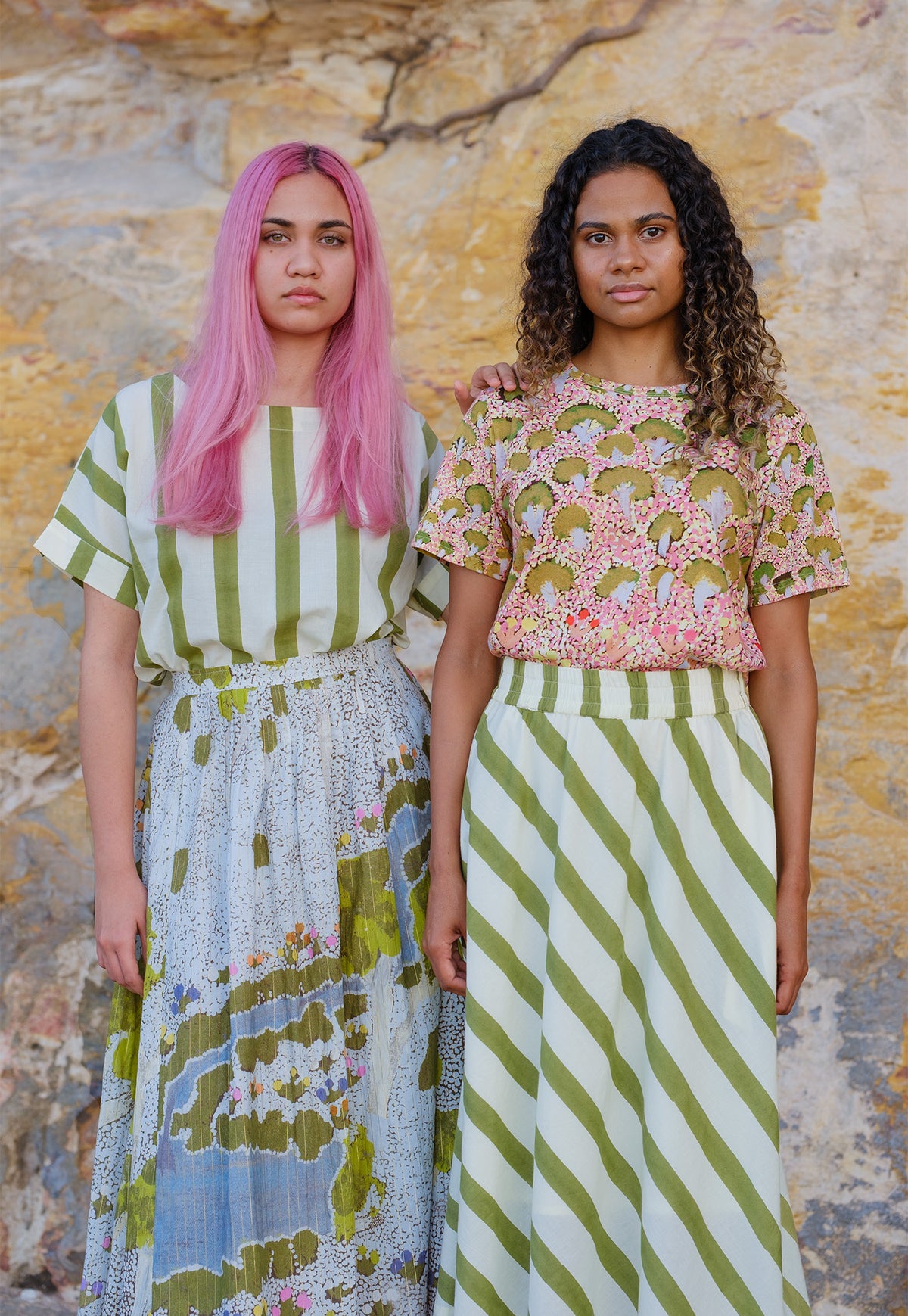
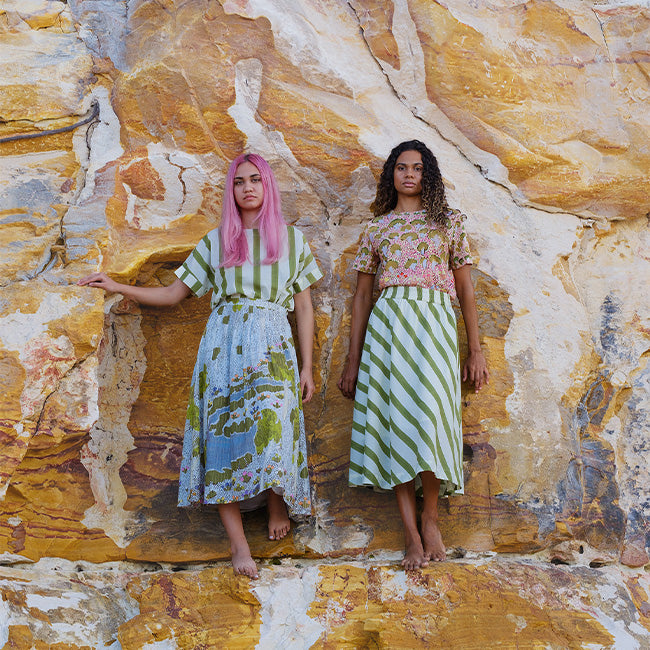
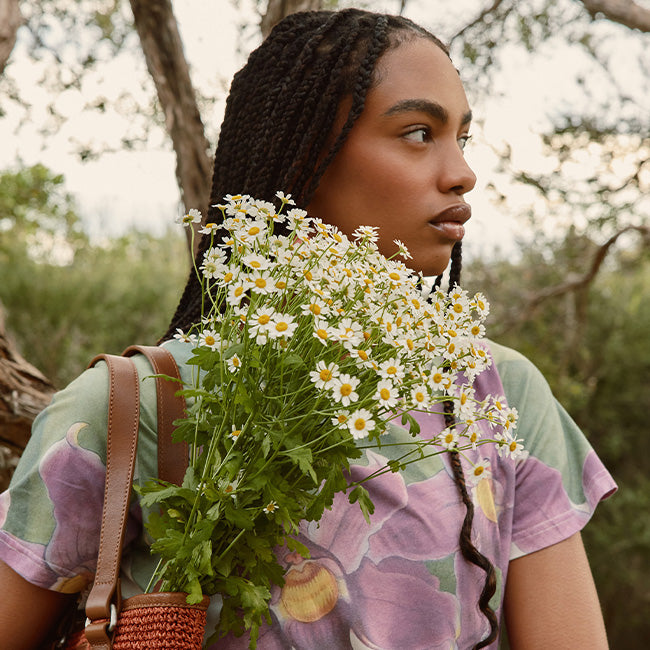
Spring Creek, our summer collaboration with Alyawarre artist Susan Ngwarraye Philomac, began with a long love of Ampilatwatja art. At Nancybird we've admired the work of the Ampilatwatja artists for many years, and we first collaborated with the art centre in 2022/23 with artist Julieanne Ngwarraye Morton. This time it was Susan's paintings that drew us in: her colours, the waterway threading through the landscape and the lace like feeling of her work. Inspired by her memories of Spring Creek on her father's Country, the collection brings her artwork onto airy summer dresses and shirts, soft embroidery and hand block printed stripes.
This year, our founder Emily travelled to Ampilatwatja on Aherrenge Country to visit the art centre, where she met Susan Ngwarraye Philomac and art centre manager Meagan. Susan came in one afternoon with her daughter to see the Spring Creek collection. She loved seeing her artwork on the pieces, and was soon sending photos of herself wearing them to her family. Emily shares more of her visit in our next Journal.
Spring Creek began with Susan's paintings, and with the art centre that supports her and the artists she paints alongside. We chatted with Meagan to learn more about Artists of Ampilatwatja: the artists who paint there today, the work they're creating this year, how to buy Aboriginal art ethically, and what collaborations like this one mean for the artists and their community.

CAN YOU TELL US ABOUT ARTISTS OF AMPILATWATJA AND THE COMMUNITY ON AHERRENGE COUNTRY?
Artists of Ampilatwatja was established in 1999, 325km north east of Mparntwe / Alice Springs, on Aherrenge Country, the land of the Alyawarre people. We are proudly Aboriginal owned and governed. Our artists mainly paint Arreth (meaning strong bush medicine), along with waterholes and soaks, mountains and sand hills, which shows our deep connection to Country. In keeping with religious law, artists reveal only a small amount of knowledge to the uninitiated. What is held sacred is layered beneath the delicate dots of each painting.
The art centre is a place where women of all generations gather to pass on knowledge, share stories and develop their art, while men carve wooden artefacts. Our art centre helps keep our culture strong. Artists exhibit across Australia and internationally, including at the National Indigenous Art Fair, Darwin Aboriginal Art Fair and Desert Mob in Mparntwe.
“Underneath the surface of the paintings there is an underlying sense that there is more to these landscapes than meets the eye.”


WHO ARE SOME OF THE ARTISTS IN YOUR CENTRE TODAY?
Today we have Kathleen Nanima Rambler, Elizabeth Ngwarraye Bonney, Kindy Kemarre Ross and Susan Ngwarraye Philomac. Artists come and go all day long.
HOW ARE ARTISTS INVOLVED IN THE ART CENTRE?
Kathleen Nanima Rambler works 20 hours a week as an arts worker. She makes frames, primes, mixes colour, does data entry and translates, and most importantly she packs artwork for distribution. Other artists work casual hours mixing paint, priming and cleaning.


WHAT WORK IS BEING CREATED THIS YEAR?
This year the artists have enjoyed working on collaborative works on paper. The paper is Khadi, handmade in Karnataka, South India, from 100% recycled cotton rag. It is acid free, made without bleaches or harmful chemicals, and the water used to make it is fully recycled. For a community of artists whose practice is rooted in care for Country, it felt like the right surface to paint on.
WHAT SHOULD PEOPLE KNOW ABOUT BUYING ARTWORK ETHICALLY?
Authentic Aboriginal art is defined by authorship. It is work made by an Aboriginal or Torres Strait Islander artist who has the cultural authority to represent what they paint, and not by any particular style, colour palette or technique.
When you buy directly from an Aboriginal owned art centre or a reputable gallery, the artist is credited, the sale is transparent, the work's origin is documented and cultural knowledge is respected.
Look for the artist's name and documentation with the work. Be wary of anything described only as “Aboriginal style”, and look for signatories to the Indigenous Art Code.
“Our art centre is a place where women across all generations can gather and pass on knowledge, share stories and practice and develop our art.”


WHAT DOES IT MEAN WHEN WORK REACHES NEW AUDIENCES THROUGH COLLABORATIONS?
For our artists, art is not simply decorative. Each painting tells a story of Country, family and continuity. The artists love the opportunity to share their story through collaborations like this one.
By learning about the artists and their work, you support the preservation of culture and the empowerment of communities.

Acknowledgement of Country
Nancybird acknowledges the Alyawarre people, Traditional Custodians of Aherrenge Country, where Susan Ngwarraye Philomac paints and where this collection was photographed. We pay our respects to their Elders, past and present, and extend that respect to all Aboriginal and Torres Strait Islander peoples today and every day.
About our artist collaborations
Susan Ngwarraye Philomac is an Alyawarre artist with Artists of Ampilatwatja Collective, an Aboriginal-owned and governed art centre on Aherrenge Country, north east of Mparntwe / Alice Springs. We work with artists through licensing agreements, paying a fee for every piece produced. Susan's fee is paid through the art centre, a not-for-profit that supports artists and their community. Susan's name is on every swing tag, and her story travels with every piece.

Follow Artists of Ampilatwatja Collective
@artists_of_ampilatwatja
You can see more of Susan's artwork, and buy original paintings directly from the art centre, at ampilatwatja.com.